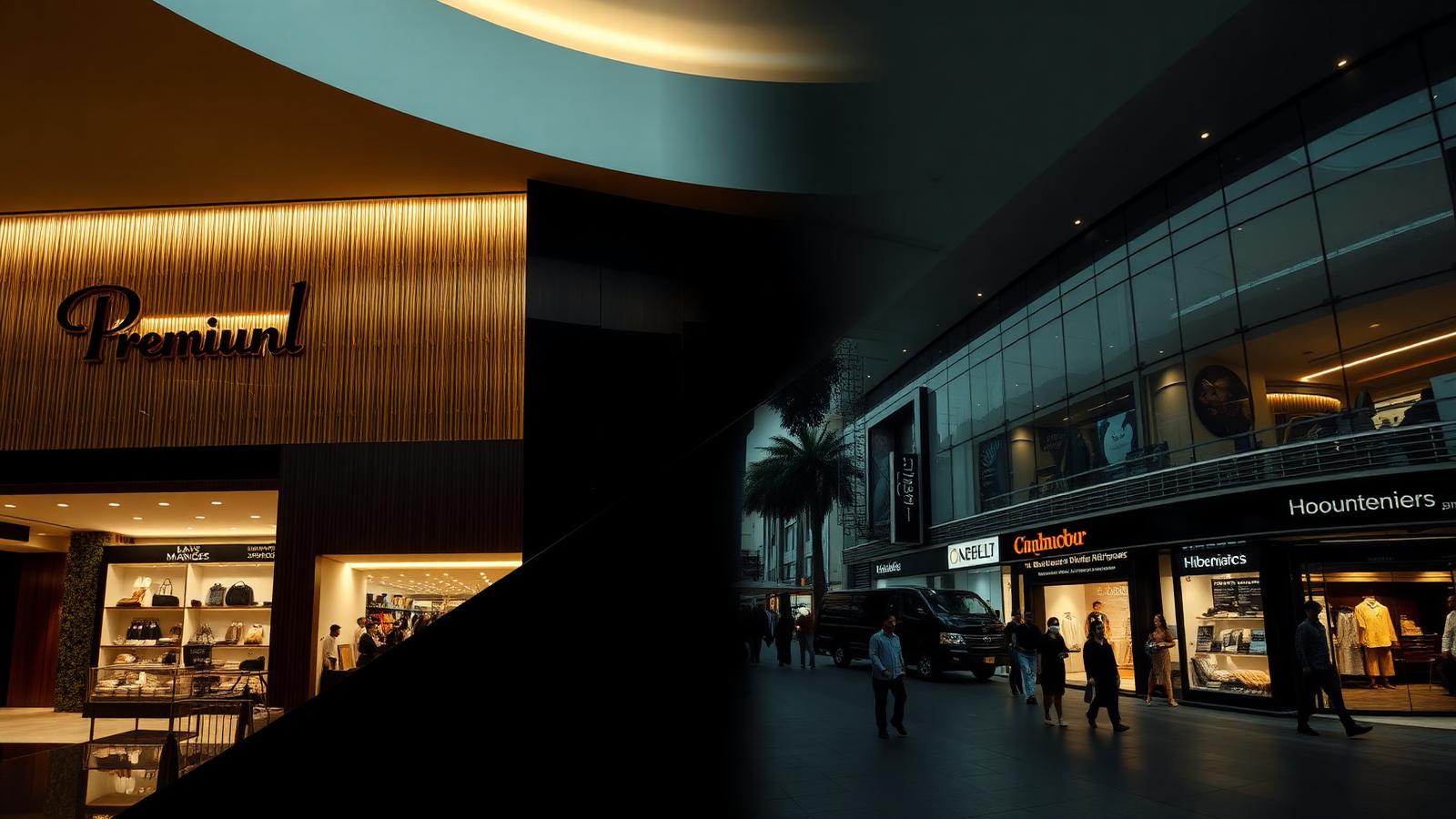
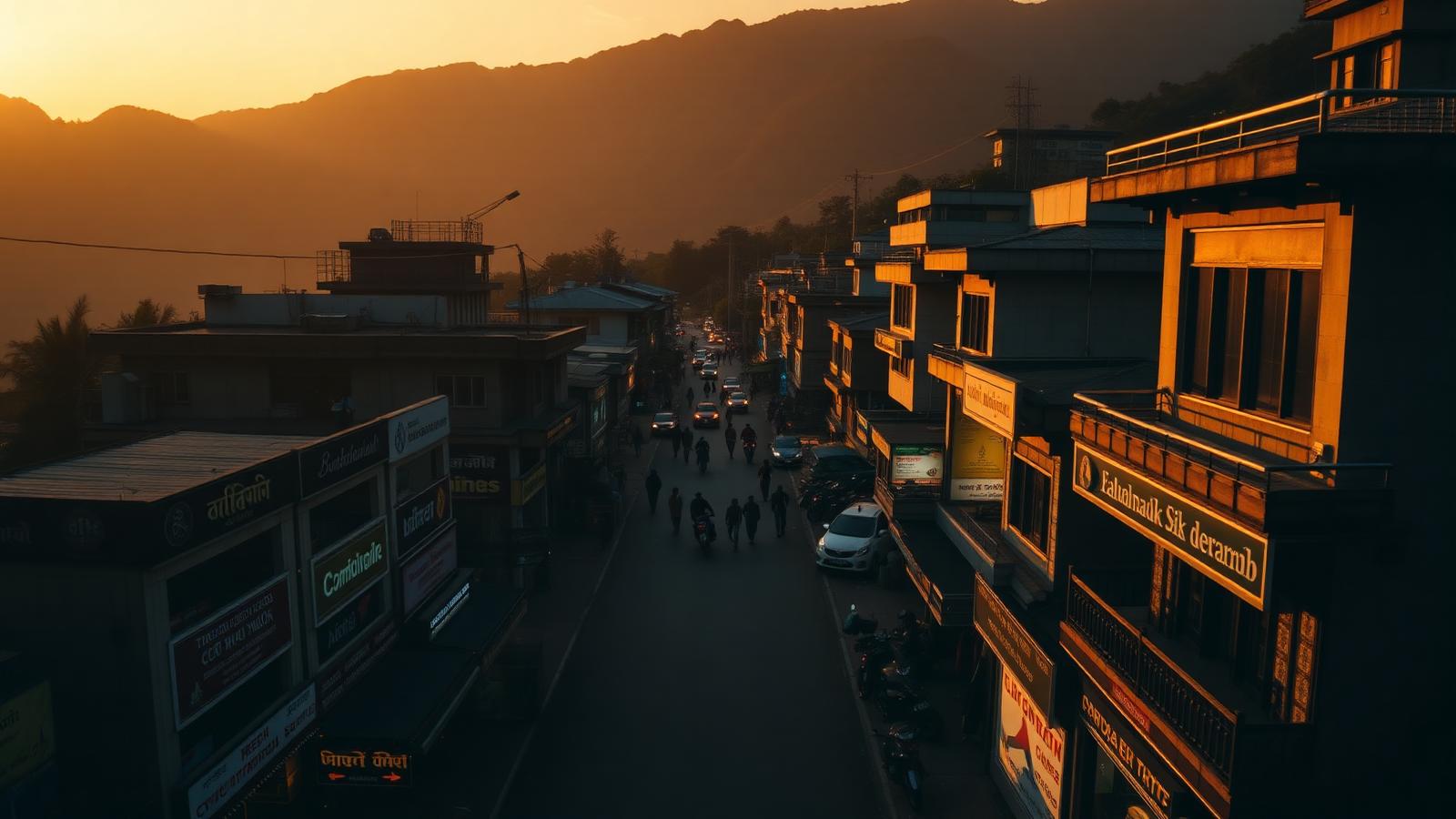
For a decade, national retail expansion in India followed a predictable arc — metros first, tier-1 cities next, and everything east of Kolkata treated as a phase-three market. That sequence is now visibly outdated. Between 2023 and 2026, discretionary retail spend in the North East grew faster than any other region in India, and yet organised retail penetration remains under 12%. For brands entering in 2026, the region isn't emerging — it's already open.
Why the North East corridor matters now
Three structural shifts have converged. First, Gangtok, Guwahati and Siliguri now anchor genuinely national catchments — the MG Marg belt in Gangtok, for instance, sees weekend footfall that compares favourably to established tier-1 high streets. Second, quality Grade-A commercial supply is finally coming to market, driven by local landlords partnering with organised developers. Third, and most under-appreciated: rent per sq ft on premium high streets is still 30–50% below comparable Kolkata or Bhubaneswar rates, giving early entrants a real unit-economic advantage.
The four-city entry sequence that works
The temptation for national brands is to enter with a single flagship in Guwahati and wait. In our experience running mandates for value-retail, electronics and QSR brands across the region, a tighter four-city sequence performs materially better:
- Guwahati — anchor the North East hub. Establish supply chain, hire regional talent, and use the store as a training base.
- Siliguri — the North Bengal gateway. It underwrites Sikkim, Bhutan and northern Bihar in a single trade area.
- Gangtok (MG Marg + Tadong) — a tourist-plus-resident catchment. Rare in India, and completely under-served by organised retail.
- Namchi and Kalimpong — small-format follow-on. Value retail, footwear and optical formats consistently over-index here.
What most brands get wrong
The single most common mistake is treating the North East like a compressed version of the Delhi–Mumbai corridor. It isn't. Loading-bay access, kitchen-exhaust venting, three-phase power availability and monsoon-grade drainage are non-negotiable technical checks that a metro-trained site team routinely underweights. A property that clears commercial diligence in Pune can fail technical diligence in Gangtok — and that failure surfaces during fit-out, not before signing.
The catchment is real. The commercials are attractive. What separates a successful North East roll-out from a stalled one is disciplined technical due-diligence — done before the LOI, not after.
The commercial window
Landlord expectations across the corridor are still forming. Escalation clauses, CAM structures and fit-out timelines that would be non-starters in a metro are genuinely negotiable here — but only for the first wave of national brands. Once three or four category leaders anchor a high street, benchmark rents reset, and the negotiating room compresses within two to three quarters. Brands entering in 2026 will lock in materially better economics than those entering in 2027.
How KMD Realty approaches the region
We currently hold active site-acquisition mandates for 16 national brands across Sikkim, West Bengal, Assam, Odisha and Jharkhand. Each engagement starts with a written catchment brief, a shortlist of pre-verified properties, and a working commercial-negotiation model — not a property list. That discipline is what has kept our leasing-clearance rate at 100% on operational assets.
If you're planning a 2026–27 North East entry, the window to lock in first-mover economics is now. We're happy to share a working shortlist and city-by-city read on where the commercial ceiling still sits.
Questions we hear most often.
Which cities should a national brand enter first in North East India?+
Guwahati anchors the regional hub, Siliguri underwrites Sikkim and North Bengal, Gangtok's MG Marg and Tadong catchment is uniquely under-served by organised retail, and Namchi and Kalimpong work as small-format follow-ons — in that order.
How do rentals in the North East compare to Kolkata or Bhubaneswar?+
Premium high-street rents in Gangtok, Siliguri and Guwahati are still 30–50% below comparable tier-1 East India benchmarks, giving early entrants a real unit-economic advantage.
What's the biggest diligence risk unique to the region?+
Technical diligence — loading-bay access, kitchen-exhaust venting, three-phase power availability and monsoon-grade drainage — must be cleared before the LOI. A property that clears commercial diligence in Pune can still fail technical checks in Gangtok.
Get a working shortlist for your own retail expansion — from KMD Realty.
Share your brief and our team responds within 48 hours with catchment reads, a shortlist and a working commercial model.
Request a site brief